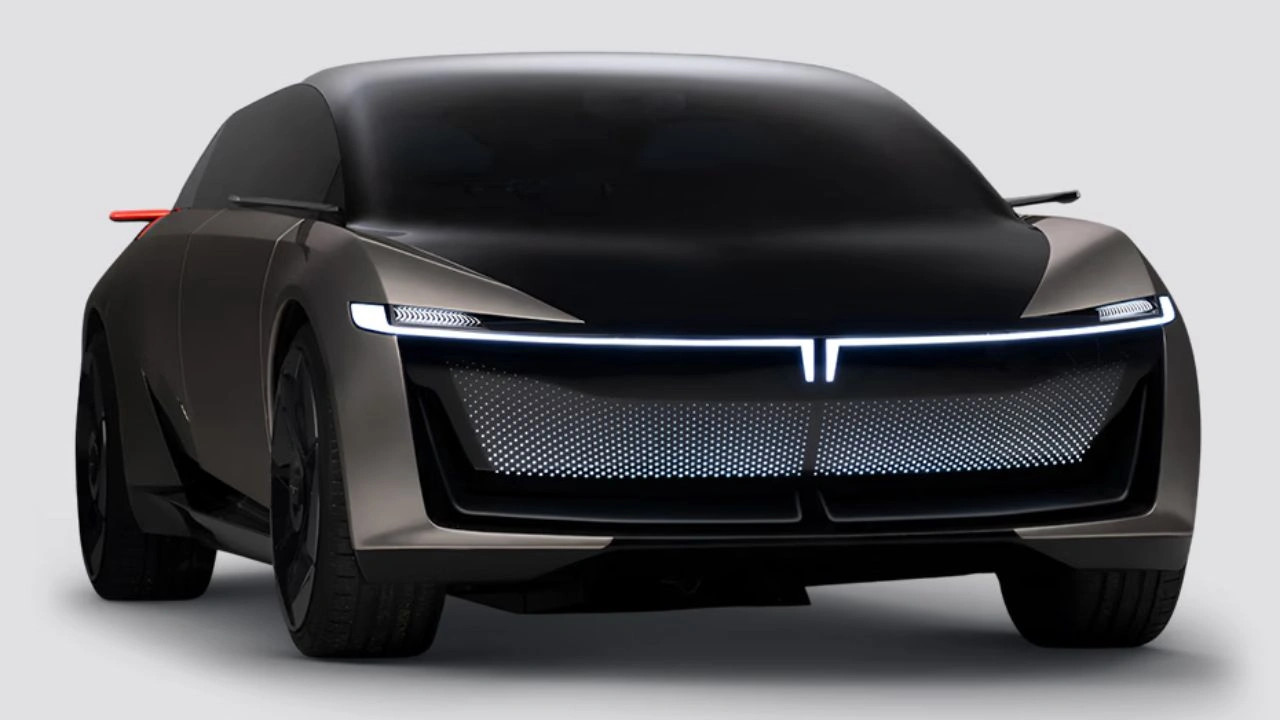
The Tata Avinya is expected to launch in India on June 15, 2026, with an estimated starting price of Rs 40 lakh (ex-showroom). Positioned as a futuristic premium electric vehicle, the Avinya represents a major technological leap for Tata Motors and its electric mobility ambitions.
Unlike conventional electric SUVs adapted from petrol platforms, the Avinya is based on Tata’s next-generation Gen 3 EV architecture, designed exclusively for electric vehicles. This dedicated platform is expected to deliver longer range, faster charging, improved cabin space, and advanced connectivity features.
In this comprehensive guide, we explore everything buyers need to know about the Tata Avinya 2026 — including design philosophy, battery technology, range expectations, charging infrastructure, safety features, competitors, ownership costs, and whether it’s worth waiting for.
Expected Launch Date and Pricing in India
Launch Timeline
The Tata Avinya is anticipated to arrive in India on June 15, 2026. Tata Motors has already showcased the Avinya concept as part of its long-term EV roadmap, signaling serious intent to enter the premium electric mobility segment.
Expected Price
- Starting Price: Rs 40 lakh (estimated)
- Higher trims may approach Rs 45–50 lakh
This pricing places the Avinya in India’s premium EV category, competing with higher-end electric SUVs and crossovers.
Why Rs 40 Lakh Is a Strategic Position
At this price bracket, buyers expect:
- 500+ km driving range
- Fast charging capability
- Premium interior materials
- Advanced ADAS technology
- High build quality
- Long-term reliability
If Tata delivers strong value relative to global competitors, the Avinya could redefine India’s premium EV space.
Design Philosophy: A New Direction for Tata EVs
The Avinya is not just another SUV — it represents a new design language for Tata’s future electric vehicles.
Exterior Styling Highlights
Expected features include:
- T-shaped LED light signature at front and rear
- Clean, grille-less EV front fascia
- Aerodynamic body structure
- Flush door handles
- Large alloy wheels
- Short overhangs for improved space
The design blends SUV practicality with crossover elegance, creating a futuristic yet practical look.
Unlike existing Tata EVs such as the Tata Nexon EV or Tata Punch EV, the Avinya is expected to sit in a much more premium segment with a distinct identity.
Gen 3 EV Platform: Why It Matters
The biggest differentiator for the Tata Avinya is its dedicated Gen 3 EV architecture.
Key Advantages of a Dedicated EV Platform
- Flat floor for enhanced cabin space
- Improved battery placement
- Better weight distribution
- Higher structural rigidity
- Longer wheelbase
This platform is designed to support:
- Advanced driver assistance systems
- Over-the-air software updates
- High-speed charging
- Scalable battery configurations
For buyers, this means improved efficiency, better driving dynamics, and future-ready technology.
Read Also: VinFast VF3 Set to Enter India: A Compact Electric SUV with Big Ambitions
Battery and Driving Range Expectations
Range anxiety remains one of the biggest concerns for EV buyers in India.
Expected Battery Specifications
While official numbers are yet to be confirmed, industry expectations suggest:
- Battery capacity between 60–75 kWh
- Real-world range of 450–500 km
- Claimed range possibly exceeding 500 km
Such a range would make the Avinya suitable for both city commuting and long highway journeys.
Charging Technology and Infrastructure
Charging convenience will play a crucial role in the Avinya’s success.
Expected Charging Capabilities
- DC fast charging support (likely 150 kW or higher)
- 10–80% charge in under 30 minutes (estimated)
- 7.2 kW AC home charger compatibility
Tata is expanding its EV charging network across India, and the Avinya may benefit from:
- Home charging installation support
- Connected charging app integration
- Public charging network partnerships
As infrastructure improves, premium EV ownership becomes increasingly viable.
Performance and Driving Dynamics
Premium EV buyers expect more than just efficiency — they want performance.
Expected Power Output
- Single-motor variant: Approx. 200–220 PS
- Possible dual-motor AWD variant: 300+ PS
Driving Characteristics
- Instant torque delivery
- Silent cabin experience
- Smooth acceleration
- Strong highway stability
The Gen 3 platform’s low center of gravity should enhance cornering stability and ride comfort.
Interior: Lounge-Like Comfort with Minimalist Design
The Tata Avinya is expected to focus heavily on cabin experience.
Expected Interior Highlights
- Panoramic glass roof
- Minimal dashboard layout
- Large touchscreen infotainment system
- Digital instrument cluster
- Premium sustainable materials
Tata may emphasize:
- Eco-friendly upholstery
- Recycled materials
- Ambient lighting
Rear seat comfort is expected to be a key selling point, possibly rivaling premium SUVs.
Infotainment and Connectivity
The Avinya will likely feature Tata’s most advanced infotainment system yet.
Expected Features
- 12–15 inch central touchscreen
- Advanced voice commands
- Connected car technology
- Over-the-air updates
- Wireless Apple CarPlay & Android Auto
- Premium audio system
Software-defined vehicle architecture could allow future feature upgrades.
Safety and ADAS Technology
Safety will be a strong focus in the premium EV segment.
Expected Standard Safety Features
- 6–8 airbags
- Electronic Stability Control
- 360-degree camera
- Hill hold assist
- Electronic parking brake
Advanced Driver Assistance Systems (ADAS)
Likely features include:
- Adaptive cruise control
- Lane keeping assist
- Blind spot monitoring
- Automatic emergency braking
- Traffic sign recognition
Tata’s growing focus on safety ratings strengthens buyer confidence.
Ownership Costs and Running Expenses
EVs offer lower running costs compared to petrol or diesel vehicles.
Estimated Running Cost
- Around Rs 1–1.5 per km
This makes it significantly cheaper to operate compared to traditional fuel-powered vehicles.
Maintenance Advantages
- Fewer moving parts
- No engine oil changes
- Reduced brake wear due to regenerative braking
Battery warranty is expected to be 8 years or 1.6 lakh km.
Competition in the Indian Market
The Tata Avinya is expected to compete with:
- Hyundai Ioniq 5
- Kia EV6
- MG ZS EV (higher trims)
- BYD Atto 3
Compared to these rivals, the Avinya may offer:
- Competitive pricing
- Local manufacturing advantages
- Lower service costs
- Strong brand trust in India
If Tata prices it aggressively, it could disrupt the premium EV market.
Who Should Consider the Tata Avinya?
The Avinya is ideal for:
- Premium EV buyers
- Tech enthusiasts
- Business professionals
- Families seeking sustainable mobility
- Buyers upgrading from mid-range EVs
It suits customers who want:
- Long driving range
- Advanced safety
- Modern design
- Lower long-term costs
Should You Wait for Tata Avinya?
You should consider waiting if:
- You plan to buy a premium EV in 2026
- You want 500 km range capability
- You prefer Indian manufacturing
- You want advanced Gen 3 platform technology
However, if you need an EV immediately, existing premium options are available.
Why Tata Avinya Matters for India’s EV Future
The Avinya represents more than a new model — it signals Tata’s commitment to next-generation electric mobility.
It could:
- Strengthen India’s EV ecosystem
- Encourage domestic innovation
- Compete globally with international brands
- Offer premium features at competitive pricing
At Rs 40 lakh (estimated), it has the potential to redefine value in the premium EV space.
Read Also: Best Car Insurance Companies in 2026 – USA, Canada, India, and UK
Potential Challenges
Despite its promise, the Avinya may face:
- Growing competition
- Charging infrastructure gaps
- Battery cost fluctuations
- Consumer hesitation toward premium EV pricing
Final specifications and pricing will determine its real impact.
Final Verdict: Is Tata Avinya Worth Waiting For?
Based on expectations, the Tata Avinya 2026 appears to offer:
- Expected launch: June 15, 2026
- Estimated starting price: Rs 40 lakh
- 450–500 km range
- Fast charging capability
- Premium interior design
- Advanced ADAS safety features
- Lower running costs
For buyers seeking a future-ready, premium electric vehicle built on a dedicated EV platform, the Tata Avinya could become one of the most important car launches of 2026 in India.
Conclusion
The Tata Avinya is set to redefine Tata Motors’ position in India’s premium electric vehicle market. With a dedicated Gen 3 platform, modern minimalist design, long driving range, advanced safety systems, and competitive pricing, it represents a bold step toward the future of sustainable mobility.
If you are planning to invest in a premium electric vehicle in 2026, the Tata Avinya deserves serious consideration as a technologically advanced and forward-looking option.