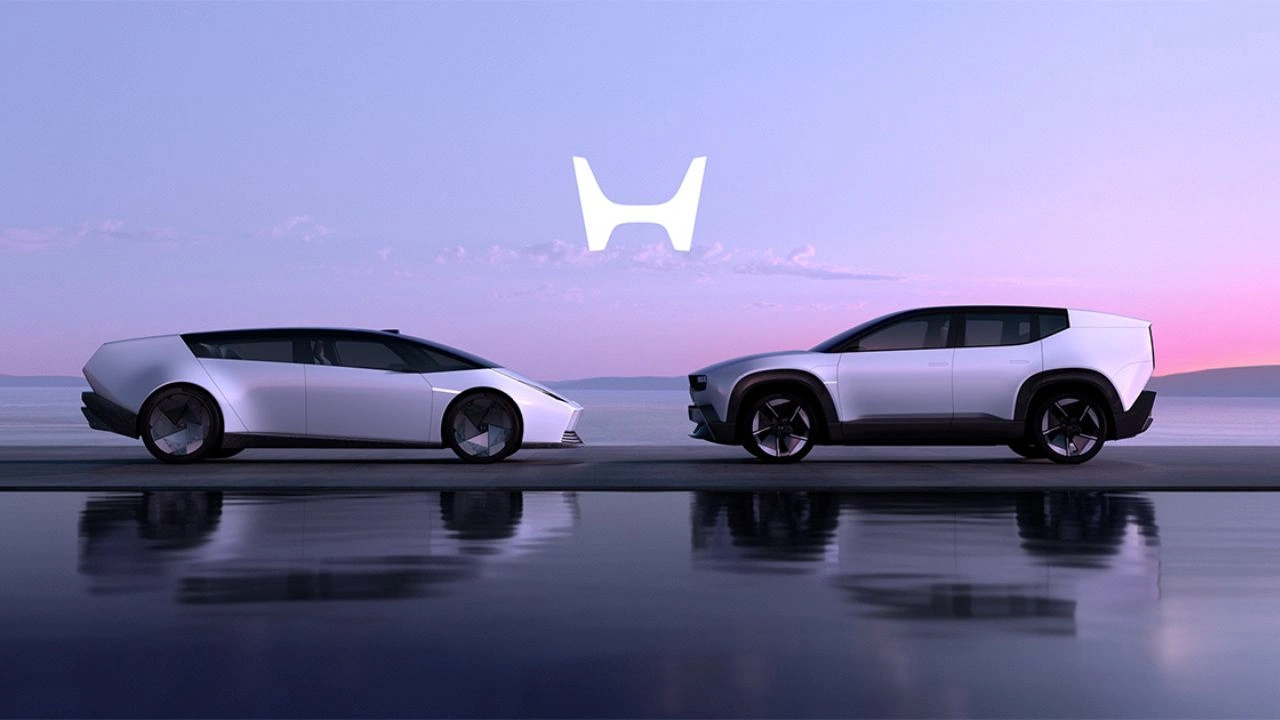
Honda Zero SUV: A futuristic electric SUV concept blending cutting-edge design, intelligent technology, and sustainable performance for next-generation mobility worldwide.
The Honda Zero SUV marks a bold and transformative step by Honda into the rapidly evolving world of electric mobility. As global demand for eco-friendly transportation surges, Honda has introduced this concept as part of its ambitious “Zero Series” initiative, which aims to redefine how vehicles are designed, built, and experienced.
Unlike traditional SUVs, the Honda Zero SUV is not just another electric vehicle—it is a vision of the future, combining advanced technology, minimalistic design philosophy, and a commitment to zero environmental impact. This concept represents Honda’s strategy to compete in the global EV race while staying true to its engineering heritage.
Honda’s Vision: What “Zero” Truly Means
The term “Zero” in Honda Zero SUV is not just a branding choice—it represents a multi-dimensional vision that goes beyond zero emissions.
Honda’s Zero philosophy focuses on:
- Zero environmental impact (carbon neutrality)
- Zero traffic fatalities through advanced safety systems
- Zero stress driving with intelligent automation
This vision aligns with Honda’s broader goal of achieving carbon neutrality by 2050, making the Zero SUV a key milestone in that journey.
By integrating sustainability with innovation, Honda aims to create vehicles that are not only efficient but also emotionally engaging and technologically superior.
A Futuristic Design Language: Minimalism Meets Aerodynamics
One of the most striking aspects of the Honda Zero SUV is its radically different design approach.
Exterior Design
The Zero SUV features a sleek, aerodynamic silhouette that breaks away from the bulky look of traditional SUVs. Key highlights include:
- Sharp, clean lines with a futuristic appeal
- LED light bars replacing conventional headlights and tail lamps
- A low, wide stance for enhanced stability and efficiency
- Flush door handles and seamless body panels
The design philosophy focuses on reducing unnecessary elements, resulting in a clean and efficient exterior that improves aerodynamics and energy efficiency.
Interior Design
Inside, the Honda Zero SUV adopts a minimalistic yet highly functional cabin layout.
- A large panoramic digital display replaces traditional dashboards
- Sustainable materials are used throughout the cabin
- A spacious, open layout enhances passenger comfort
- Advanced ambient lighting creates a futuristic atmosphere
The interior is designed to feel more like a living space rather than a conventional car, aligning with the evolving expectations of modern drivers.
Performance and Powertrain: Built for Efficiency and Power
While Honda has not revealed full specifications yet, the Zero SUV is expected to feature a next-generation electric powertrain.
Expected Performance Features
- High-capacity battery pack for extended range
- Fast-charging capability for convenience
- Dual-motor setup for all-wheel drive performance
- Instant torque delivery for smooth acceleration
Honda is likely focusing on achieving a balance between performance and efficiency, ensuring that the Zero SUV delivers a dynamic yet eco-friendly driving experience.
Smart Technology: The Brain Behind the Machine
The Honda Zero SUV is expected to be equipped with state-of-the-art intelligent systems that redefine the driving experience.
Advanced AI Integration
The vehicle will likely feature an AI-powered personal assistant capable of:
- Understanding driver preferences
- Providing real-time navigation updates
- Managing vehicle settings automatically
Autonomous Driving Capabilities
Honda is investing heavily in autonomous technology, and the Zero SUV may include:
- Level 3 or higher autonomous driving features
- Advanced driver-assistance systems (ADAS)
- Real-time traffic and hazard detection
These features aim to provide a safer and more relaxed driving experience, reducing driver fatigue and improving road safety.
Sustainability at Its Core
Sustainability is a central pillar of the Honda Zero SUV.
Eco-Friendly Materials
Honda is expected to use:
- Recycled plastics
- Plant-based materials
- Low-impact manufacturing processes
Energy Efficiency
The vehicle’s design and engineering focus on:
- Reducing energy consumption
- Maximizing battery efficiency
- Minimizing environmental footprint
This commitment ensures that the Zero SUV is not just an electric vehicle but a holistic solution for sustainable mobility.
Connectivity and Digital Experience
In the era of smart devices, the Honda Zero SUV aims to offer a seamless digital ecosystem.
Features Include:
- Over-the-air (OTA) updates
- Smartphone integration
- Cloud-based services
- Advanced infotainment systems
These features ensure that the vehicle remains up-to-date and adaptable, enhancing its long-term value.
Safety Innovations: Towards Zero Accidents
Honda’s commitment to safety is reflected in the Zero SUV’s design.
Expected Safety Features
- 360-degree camera systems
- Collision avoidance technology
- Adaptive cruise control
- Emergency braking systems
By combining hardware and software innovations, Honda aims to achieve its goal of zero traffic fatalities.
Global Market Impact: Competing in the EV Revolution
The Honda Zero SUV enters a highly competitive market dominated by brands like Tesla, Hyundai, and Volkswagen.
However, Honda’s strengths include:
- Strong global reputation
- Proven engineering expertise
- Focus on reliability and durability
The Zero SUV has the potential to become a game-changer, especially in markets like India, Europe, and North America.
Honda Zero SUV in India: What to Expect
India is one of the fastest-growing EV markets, and the Honda Zero SUV could play a significant role here.
Potential Advantages:
- Rising demand for electric vehicles
- Government incentives for EV adoption
- Growing charging infrastructure
If priced competitively, the Zero SUV could attract urban buyers looking for premium electric SUVs.
Challenges Ahead: What Honda Needs to Overcome
Despite its promise, the Honda Zero SUV faces several challenges:
- High competition in the EV segment
- Infrastructure limitations in some regions
- Pricing concerns for emerging markets
To succeed, Honda must focus on affordability, reliability, and innovation.
Why Honda Zero SUV Matters
The Honda Zero SUV is more than just a new model—it represents a paradigm shift in automotive design and engineering.
It reflects:
- The transition to electric mobility
- The importance of sustainability
- The integration of technology in everyday life
By addressing these aspects, Honda is positioning itself as a leader in the future of mobility.
Read Also: Ferrari Amalfi: The Ultimate Expression of Italian Luxury, Power, and Automotive Art
Future Roadmap: What’s Next for Honda’s Zero Series
The Zero SUV is part of a broader lineup that includes multiple electric models.
Honda plans to:
- Expand its EV portfolio
- Invest in battery technology
- Develop advanced software systems
This roadmap indicates a long-term commitment to innovation and sustainability.
Conclusion: A Visionary SUV for the Next Generation
The Honda Zero SUV is a bold, futuristic concept that showcases Honda’s vision for the future.
With its combination of:
- Advanced technology
- Sustainable design
- Intelligent features
It has the potential to redefine what an SUV can be in the electric era.
For consumers, it represents a glimpse into the future of driving, where vehicles are not just modes of transport but intelligent, eco-friendly companions.