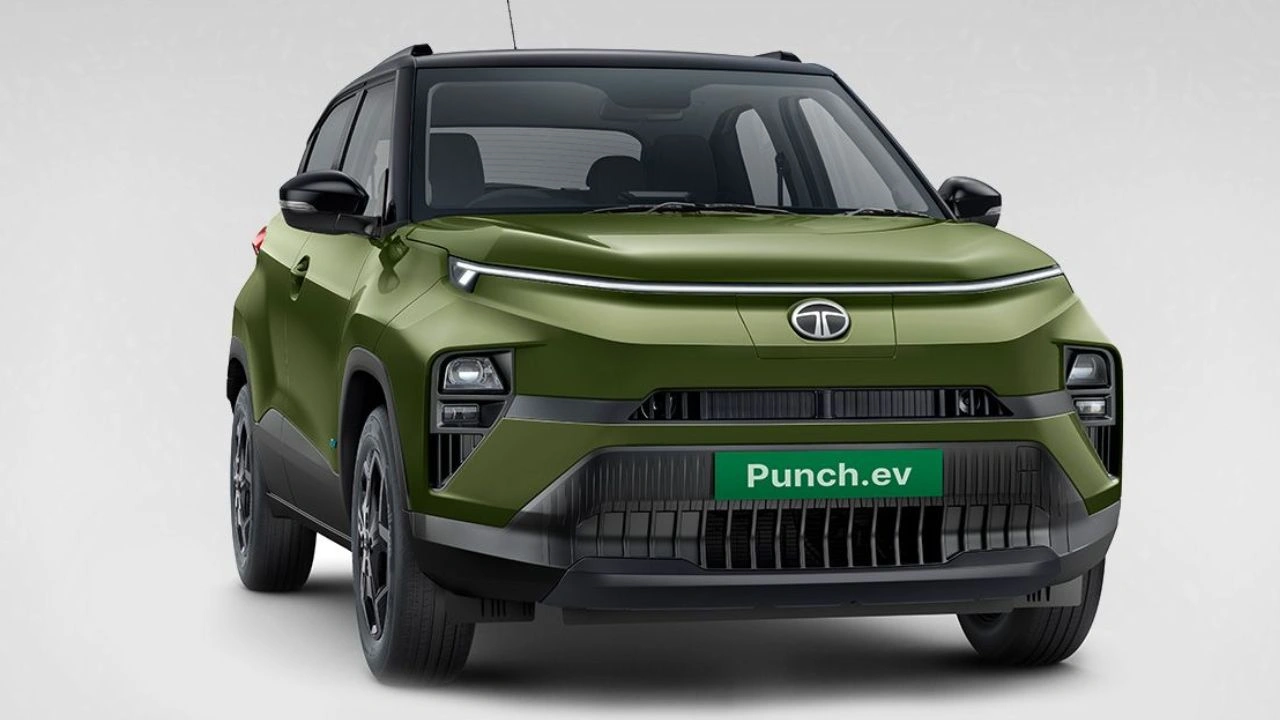
The 2026 Tata Punch EV facelift brings smart upgrades while retaining the core strengths that made it popular.
With India’s electric vehicle market evolving rapidly, Tata Motors has introduced the 2026 Tata Punch EV facelift, giving its compact electric SUV a mid-cycle refresh. While the updates are not revolutionary, they are strategic. The facelift focuses on design refinement, feature enhancement, connectivity upgrades, and subtle improvements in usability — without disturbing the successful formula of the original Punch EV.
This detailed comparison explores what has changed, what remains the same, and whether the facelift justifies its existence in an increasingly competitive EV landscape.
The Punch EV’s Journey: Why the Facelift Matters
The Tata Punch EV quickly carved a niche for itself as a compact, urban-friendly electric SUV that blended affordability with practicality. Positioned between entry-level electric hatchbacks and premium EV SUVs, it attracted buyers looking for:
- Elevated driving position
- Compact footprint for city use
- Respectable range
- Modern EV styling
- Strong brand trust
However, the EV market in India is advancing at a fast pace. Competitors are launching updated models with improved tech and extended range capabilities. To remain relevant, Tata Motors needed to refine the Punch EV without altering its core DNA.
The 2026 facelift is Tata’s response — a calculated update that strengthens areas customers care about most.
Read Also: Hyundai i20: A Stylish Premium Hatchback Delivering Performance, Comfort, and Advanced Technology
Exterior Design: Evolution Over Revolution
One of the most visible differences between the facelift and the pre-facelift version lies in the styling.
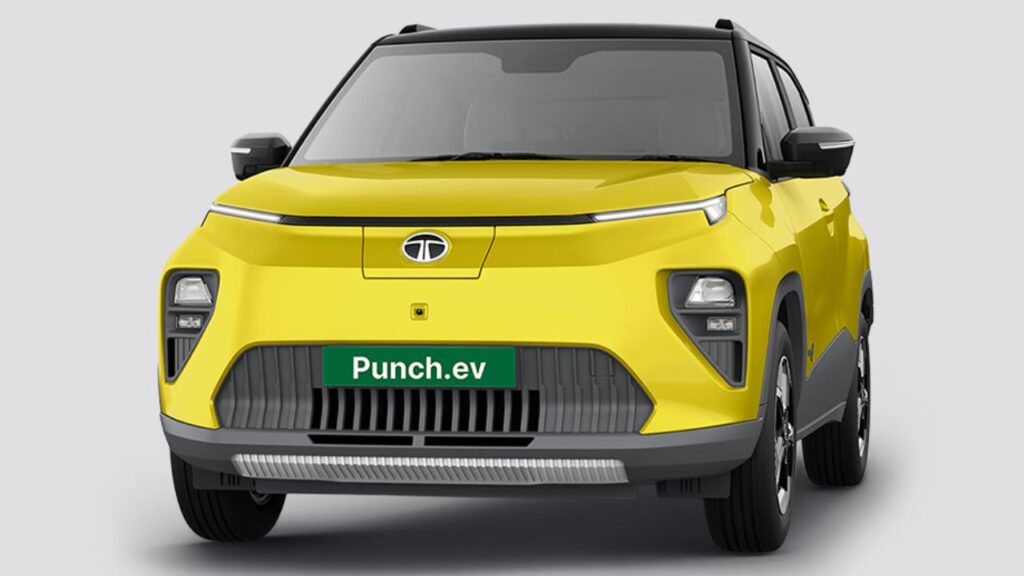
Front Profile Changes
The facelifted Punch EV receives a cleaner and more contemporary front fascia. The earlier black trim element connecting the headlamps has been reworked, giving the car a more refined and less cluttered look. The bumper design has been updated, and subtle tweaks in the grille area enhance its EV identity.
The lighting setup is sharper and more sophisticated. While the pre-facelift model already had LED elements, the facelift introduces a redefined LED signature that appears more premium and in line with Tata’s newer design language.
These changes make the car look fresher without alienating existing fans.
Rear Design Refinements
At the rear, the changes are more subtle. Minor adjustments in lighting detailing and bumper elements give the facelift a slightly more polished look. However, the overall silhouette remains identical to the earlier model.
New Colour Options
Tata has introduced fresh paint shades to increase personalization. These vibrant new colors add appeal for younger buyers and urban customers who prefer distinctive styling.
What Has Not Changed
Despite these refinements, the overall shape, stance, and dimensions remain unchanged. The Punch EV retains its:
- Tall micro-SUV profile
- Compact city-friendly size
- Strong ground clearance
The facelift focuses on refinement rather than redesign.
Interior and Cabin: Familiar Yet Improved
Step inside the 2026 Punch EV facelift, and you’ll find a cabin that feels familiar — but slightly more tech-forward.
Dashboard Layout
The basic layout remains largely unchanged. Tata has retained the functional and ergonomic arrangement of controls. However, material finishes and minor detailing have been improved in certain variants to create a more modern feel.
The cabin still prioritizes practicality, with ample storage compartments and comfortable seating for city use.
Infotainment Upgrades
One of the key highlights of the facelift is enhanced connectivity. While the earlier model already featured a touchscreen infotainment system with connected car capabilities, the facelift builds upon it with:
- Over-the-Air (OTA) software update support
- Expanded voice command functionality
- Multi-language voice control
- Smartwatch integration
These upgrades ensure that the Punch EV remains technologically competitive in its segment.
OTA support is particularly significant. It allows Tata to roll out future improvements remotely without requiring physical dealership visits.
Digital Instrument Cluster
The digital driver display continues in the facelift version, offering EV-specific information such as range, energy consumption, and regenerative braking data.
While the layout remains similar to the pre-facelift model, software refinement enhances clarity and user experience.
Powertrain and Battery: What Stays the Same
The mechanical foundation of the Punch EV remains largely unchanged in the facelift.
Battery Options
The pre-facelift Punch EV was available with two battery pack options:
- A smaller battery pack suited for urban driving
- A larger battery pack offering extended range
The facelift continues to offer similar battery configurations. This ensures continuity for buyers who are already familiar with the model.
Range Figures
The real-world range remains competitive for city-focused usage. While Tata may have fine-tuned efficiency and thermal management systems, the core battery architecture stays consistent.
This approach avoids unnecessary price hikes while maintaining dependable range performance.
Motor Performance
Power and torque outputs remain similar to the earlier version. The car continues to deliver:
- Smooth acceleration
- Quiet operation
- Suitable performance for urban traffic
The Punch EV was never designed as a performance EV — it focuses on efficiency and usability, and that philosophy remains intact.
Driving Experience: Consistency Is Key
The facelift does not significantly alter the driving dynamics.
Suspension Setup
The suspension tuning continues to prioritize comfort over sportiness. It absorbs urban road imperfections well, maintaining the car’s appeal for daily commuters.
Steering Feel
Light steering makes maneuvering in city traffic effortless. This was a strength of the earlier model and continues unchanged.
Regenerative Braking
The regenerative braking system remains efficient and user-friendly, contributing to improved energy recovery during city driving.
In essence, the driving character of the Punch EV remains consistent — predictable, comfortable, and city-focused.
Safety Enhancements: A Step Forward
Safety receives incremental upgrades in the facelift model.
New Additions
The facelift introduces additional safety alerts such as:
- Blind spot monitoring
- High-beam assist
These features elevate the Punch EV’s safety profile in the compact EV segment.
Retained Safety Suite
Core safety features from the pre-facelift model continue, including:
- Dual airbags
- ABS with EBD
- Electronic stability control
- Reverse camera and parking sensors
The facelift builds upon the existing safety foundation rather than reinventing it.
Connectivity and Smart Features: The Biggest Upgrade Area
The most meaningful difference between the facelift and pre-facelift versions lies in connectivity.
Over-the-Air Updates
OTA capability future-proofs the vehicle. It allows Tata to improve software, add minor features, or refine user interface elements without dealership visits.
This is a major leap in convenience and aligns the Punch EV with global EV standards.
Multi-Language Voice Control
Expanded language support increases accessibility across India’s diverse customer base.
Smartwatch Connectivity
Integration with wearable devices enhances convenience, allowing users to access vehicle information remotely.
These upgrades position the facelift as a smarter, more connected vehicle.
Pricing Expectations and Market Position
The facelift is expected to carry a slightly higher price tag than the outgoing model. However, Tata may continue offering flexible ownership options such as:
- Battery-as-a-Service (BaaS)
- Subscription models
These pricing strategies make EV ownership more accessible and reduce upfront cost barriers.
The Punch EV facelift continues to compete with compact EV rivals, maintaining its position as a value-focused electric SUV.
Who Should Choose the Facelift?
The facelift makes sense for:
- Buyers seeking enhanced connectivity
- Customers who prioritize updated styling
- Tech-savvy urban drivers
However, those who already own the pre-facelift version may not find the upgrades compelling enough for an immediate upgrade.
Who Can Still Consider the Pre-Facelift?
If available at discounted pricing, the pre-facelift model remains a solid choice for:
- Budget-conscious buyers
- First-time EV adopters
- Urban commuters
Since the powertrain and overall driving experience remain similar, the older model still delivers strong value.
Strategic Importance for Tata Motors
The 2026 facelift signals Tata’s commitment to refining its EV portfolio.
Rather than launching an entirely new generation prematurely, Tata has:
- Strengthened technology
- Improved styling
- Enhanced connectivity
- Maintained mechanical reliability
This measured approach reduces risk while keeping the model fresh.
Conclusion: Smart Refinement, Not Radical Reinvention
The 2026 Tata Punch EV facelift represents evolution, not revolution.
What’s New:
- Refreshed exterior styling
- OTA software updates
- Enhanced voice commands
- Smartwatch connectivity
- Additional safety alerts
- New colour options
What’s Unchanged:
- Core battery options
- Motor performance
- Cabin layout
- Driving dynamics
- Overall dimensions
For new buyers entering the EV market, the facelift offers a more connected and polished experience.
For existing owners, the improvements are meaningful but not transformative.
Ultimately, the facelift strengthens the Punch EV’s position in India’s rapidly growing electric SUV segment, ensuring it remains competitive in both technology and appeal — without losing its original strengths.